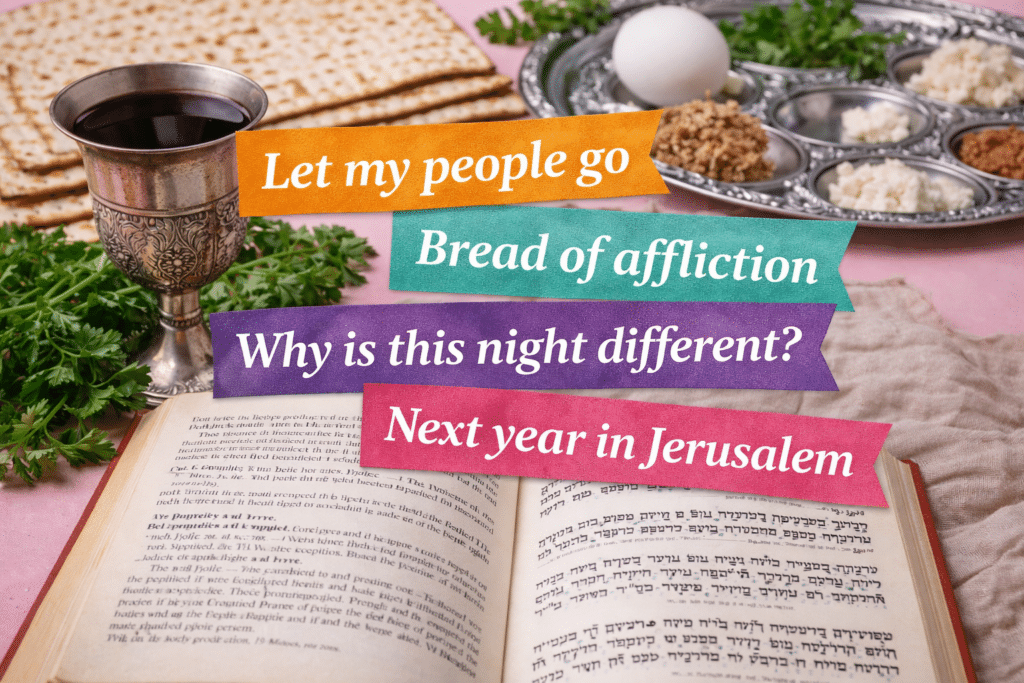
Beyond Matzah Balls: Unpacking Passover's Rich Humor Tradition
Passover is a holiday steeped in profound meaning, commemorating one of history's most pivotal narratives: the miraculous deliverance of the Hebrew people from slavery in ancient Egypt. It's a time of deep reflection, historical remembrance, and spiritual awakening, observed through solemn rituals like the Seder meal. For many, including Christians who commemorate Jesus' Last Supper during this period, Passover symbolizes liberation from bondage, whether physical or spiritual. You can delve deeper into this dual remembrance in our article: Passover: Dual Remembrance of Deliverance and Sacrifice.
Yet, amidst the recounting of plagues, the partaking of bitter herbs, and the singing of traditional melodies, there's another vibrant, often unexpected, element that thrives at Passover: humor. From witty Passover Sayings and clever puns to anecdotal jokes that play on Seder customs and foods, laughter is not merely permitted; it's an integral part of the celebration. This rich tradition of humor transforms what could be a purely solemn occasion into a joyous, engaging, and deeply human experience, proving that even the most sacred moments can be illuminated by a well-timed joke.
The Laughter of Liberation: Why Humor Thrives at Passover
Why does humor hold such a prominent place in a holiday born from suffering and miraculous salvation? The answer lies in the very nature of liberation. Imagine generations enslaved, then suddenly freed by divine intervention. Once the immediate peril subsides, there's an undeniable human need to release pent-up tension, to process the trauma and the triumph. Laughter becomes a natural, healthy outlet for this emotional energy, a testament to resilience and the joy of newfound freedom.
Furthermore, Passover, particularly the Seder, is a lengthy, intricate affair. The Haggadah, the text that guides the Seder, is designed to encourage discussion, questions, and engagement, especially from children. Humor serves as a powerful tool to keep participants, young and old, captivated and connected. It breaks the monotony, fosters a lighthearted atmosphere, and makes the historical narrative more accessible and memorable.
It’s also fascinating to note the contrast between what is forbidden and what is embraced. During Passover, the consumption, possession, and even owning of chametz (leavened products) are strictly prohibited. Yet, humor, in all its forms, is not only allowed but genuinely appreciated. As many an observer might quip, perhaps the more Manischewitz you drink, the funnier the humor seems – a playful nod to the spirited camaraderie that often accompanies the Seder table.
Iconic Passover Sayings & Jokes: A Taste of the Tradition
The humor of Passover is distinct, often rooted in the holiday's unique customs, foods, and even its sacred texts. Many beloved Passover Sayings and jokes are clever puns or plays on words that only those familiar with the Seder will truly appreciate. Here's a glimpse into the witty world of Passover humor:
- Wordplay & Puns: Many jokes rely on a clever twist of words or concepts intrinsic to Passover:
- Hear about the internet search engine for Passover? It’s called eliYAHOO (a playful reference to Elijah the Prophet).
- What’s your favorite Passover film? Shawshankbone Redemption (a nod to the shankbone on the Seder plate).
- Why did the matzah quit his job? Because he didn’t get a raise (matzah, being unleavened, doesn't rise).
- What army base is off limits on Passover? Fort Leavenworth (playing on "leaven," or chametz).
- What do you call steaks ordered by 10 Jews? Filet minyan (a minyan is a quorum of 10 for prayer).
- Why do we have a Haggadah at Passover? So we can Seder rig (a pun on "rig" and the Seder).
- A group of medical professionals published data suggesting Seder participants should not partake of both chopped liver and charoset. The combination, they warned, can lead to Charoses of the Liver (a humorous twist on cirrhosis).
- Then there's the humorous brand name for whole wheat and bran matzo, fortified with Metamucil: "Let My People Go!" (a classic Passover saying used for a decidedly un-glamorous, yet practical, purpose).
- If a doctor carries a black bag and a plumber carries a tool box, what does a mohel carry? A Bris-kit! (combining the Jewish circumcision ceremony with a common tool kit).
- Situational & Narrative Humor: These jokes often derive from the Seder experience itself or the retelling of the Exodus story:
- A classic involves a British Jew awaiting knighthood, forgetting his Latin, and instead reciting the iconic Seder question: "Ma nishtana ha layla ha zeh mi kol ha laylot?" (Why is this night different from all other nights?). The Queen, puzzled, asks her advisor, "Why is this knight different from all other knights?" This joke brilliantly highlights one of the most famous Passover Sayings and its cultural resonance.
- Another tells of a boy recounting the Moses story to his father, humorously embellishing it with a fight against Pharaoh, a pontoon bridge built by the Corps of Engineers, and the bridge being blown up. When his father expresses shock, the boy replies, "No. But you'd never believe the story he DID tell us!" This joke speaks to the creative storytelling and perhaps the inherent incredulity of some of the miracles in the Exodus narrative, often a point of fascination, especially for children.
These humorous Passover Sayings and anecdotes are more than just jokes; they are cultural touchstones that deepen the shared experience of the holiday.
Beyond the Punchline: The Deeper Meaning of Passover Humor
The prevalence of humor during Passover extends beyond mere entertainment. It serves several crucial functions:
- Resilience and Hope: Humor often arises from adversity. For a people who have endured millennia of persecution, the ability to laugh, even at their own traditions or challenges, speaks volumes about their resilience and unwavering hope for a better future. It's a psychological tool for coping and reaffirming life.
- Pedagogical Power: Especially for children, humor makes learning engaging and memorable. The narrative of the Exodus, with its profound theological and historical implications, can be lengthy. Injecting jokes, riddles, and funny stories keeps young minds engaged, making the lessons stick. The famous "Ma Nishtana" (Why is this night different) itself is a series of questions designed to spark discussion, and these questions often become the basis for humorous observations.
- Community and Connection: Shared laughter is a powerful bonding agent. During the Seder, families and friends gather, often from diverse backgrounds and generations. Humor bridges gaps, creates a sense of camaraderie, and strengthens familial and communal ties. It's a reminder that despite the serious themes, Passover is also a celebration of family and togetherness.
- Balancing Solemnity with Joy: Passover holds immensely serious themes: slavery, suffering, divine judgment, and ultimate redemption. Humor provides a vital balance, ensuring that the holiday, while deeply meaningful, does not become overly somber. It allows for reflection on hardship while simultaneously celebrating the joy of freedom and the promise of renewal. For both Jewish families recounting the Exodus and Christian observers remembering Jesus' ultimate sacrifice, this balance allows for a full spectrum of human emotion, from solemn introspection to joyous celebration.
Integrating Humor into Your Passover Seder: Practical Tips
If you're hosting or attending a Seder, here are some practical tips to embrace and integrate Passover's rich humor tradition:
- Encourage Storytelling: Don't just read the Haggadah; discuss it. Share personal anecdotes, family memories, and even funny "what if" scenarios related to the Exodus story.
- Prepare Some Jokes: Have a few classic Passover Sayings or jokes ready to share. A quick search online will yield many, or you can borrow from the examples above.
- Involve the Children: Ask children to draw pictures of the plagues, or encourage them to invent their own humorous explanations for Seder customs. Their innocent perspectives often yield the most genuine laughs.
- Embrace the Unexpected: Sometimes the funniest moments are spontaneous. A burnt matzah ball, a forgotten Seder plate item, or a child's unexpected question can become a cherished, humorous memory for years to come.
- Create New Traditions: Perhaps your family could start a tradition of creating a new "Passover joke of the year" or a humorous Seder-themed skit.
- Balance with Reverence: While humor is encouraged, it's important to maintain respect for the sacred aspects of the holiday. The goal is to enhance the experience, not detract from its spiritual core. Remember to also explore the foundational elements of the holiday, as detailed in our article on Celebrate Passover: Understanding Key Bible Verses and Seder Customs.
Passover is a holiday that speaks to the deepest parts of our shared humanity – our yearning for freedom, our faith in deliverance, and our commitment to remembrance. But it is also a holiday that reminds us of the power of laughter. The humorous Passover Sayings and jokes are not merely diversions; they are threads woven into the fabric of the holiday, enriching its meaning, fostering connection, and reminding us that even after profound hardship, there is always room for joy, resilience, and the liberating sound of laughter.